The Essential Scuba Gear Checklist: All the Equipment Required for Safe Diving
Diving with safety in mind requires complete preparation and suitable equipment. Every equipment item serves a vital function in ensuring a safe diving experience. From necessary masks and fins to specialized buoyancy control devices, understanding these components is significant. Safety should remain the top priority for divers, though numerous individuals neglect critical equipment in their kit. What precisely should each diver include in their equipment to ensure a secure and pleasant dive?
Crucial Dive Masks
A good scuba mask is vital for any diver, as it provides a vital barrier between the underwater world and the diver's visual field. Correct fit and comfort are critical, as an ill-fitting mask can result in discomfort and compromise visibility. The lens material, commonly tempered glass, delivers durability and clarity, while a skirt constructed from silicone provides a watertight seal against the face. Masks can be found in numerous styles, including single and double lenses, permitting divers to choose based on individual preference and visibility preferences. Additionally, some masks offer added features such as prescription lenses or integrated cameras. Choosing the right scuba mask amounts significantly to the overall diving experience, enhancing safety and enjoyment beneath the waves.
Fins for Peak Performance
The selection of appropriate fins plays a critical role in maximizing underwater efficiency. Different fin styles can be found, each one engineered for unique demands and environments. Confirming appropriate fit is critical, as it has a direct effect on both comfort and efficiency underwater.
Types of Fins
When choosing fins for ideal performance, divers should consider various types designed to improve movement and efficiency underwater. There are primarily two categories of fins: open-heel and full-foot. Open-heel fins are flexible, allowing divers to wear neoprene booties for additional check article warmth and protection, making them appropriate for colder waters. Full-foot fins, in contrast, are lightweight and perfect for warm waters, providing a snug fit without the need for additional gear. Moreover, divers may decide between paddle fins, known for their adaptable propulsion, and split fins, which offer reduced drag and increased efficiency. Each type of fin serves particular diving styles and conditions, enabling divers to optimize their underwater experience.
Importance of a Proper Fit
Selecting the right fins is only a portion of the equation; reaching optimal performance underwater heavily copyrights on proper fit. Fins that are too tight can result in discomfort and restrict movement, while those that are too loose may lead to inefficiency and reduced propulsion. A proper fit assures that the fins offer maximum power transfer with each kick, allowing divers to maneuver effortlessly through the water. Moreover, well-fitted fins help prevent blisters and fatigue, elevating overall diving enjoyment. When choosing fins, divers should consider both size and design, as diverse styles impact fit and function. Finally, investing time in finding the right fit can significantly boost a diver's experience and performance underwater.
Why a Snorkel is Important
A snorkel acts as a crucial device for marine observation, permitting divers to maintain comfortable breathing while observing marine life at the surface. It consists of a long, curved tube that extends above the water, permitting individuals to breathe in and out without raising their heads. This feature is particularly helpful for divers who wish to save energy and limit disturbances to the marine habitat. Additionally, snorkels often incorporate a mouthpiece built for comfort, allowing for prolonged use. By utilizing a snorkel, divers can enhance their experience, experiencing the beauty of the marine environment while maintaining a relaxed breathing pattern. Incorporating a snorkel into diving equipment is crucial for protection and satisfaction during surface-level observations.
Choosing the Ideal Wetsuit
Selecting the right wetsuit is crucial for a enjoyable and satisfying experience in the water. Factors such as wetsuit thickness greatly impact thermal protection, while fit and comfort are critical for mobility and overall enjoyment. The right combination of these factors provides peak performance during aquatic activities.
Considerations for Wetsuit Thickness
When establishing the appropriate wetsuit thickness, divers should consider numerous factors, including water temperature, length of exposure, and personal resistance to cold. Typically, wetsuit thickness varies from 2mm to 7mm, with thicker suits giving greater insulation for colder waters. In tropical settings, a 2-3mm wetsuit or even a shorty could be sufficient, while temperatures below 60°F often require a 5mm suit. For colder conditions, such as those below 50°F, a 7mm wetsuit is commonly recommended. Additionally, divers should review the planned dive duration; longer exposures may necessitate thicker suits to retain warmth. Therefore, selecting the right wetsuit thickness is important for ensuring comfort and safety during underwater adventures.
Comfort and Fit Factors
Finding the right fit and comfort in a wetsuit is crucial for an satisfying diving experience. A well-fitting wetsuit should feel snug but not restrictive, enabling freedom of movement while preventing water from flushing in. When choosing a wetsuit, divers should consider body shape and size, as different brands may have different sizing charts. The material's flexibility also plays an essential role; neoprene is a common choice due to its thermal insulation properties. Moreover, features such as reinforced seams and adjustable collars increase comfort. Carefully trying on the wetsuit, including various positions like bending and stretching, guarantees it meets individual needs. In the end, the right wetsuit contributes greatly to warmth, buoyancy, and overall diving satisfaction.
Comprehending Scuba Regulators
How can a scuba regulator provide a safe and enjoyable diving experience? A scuba regulator is a vital component that reduces high-pressure air from the tank to a breathable level, enabling divers to inhale comfortably underwater. It operates in two stages: the first stage attaches to the tank and decreases pressure, while the second stage supplies air on demand as the diver breathes. This design ensures that divers get a consistent airflow irrespective of depth. Moreover, regulators are outfitted with safety features, such as a purge button, that enables divers to clear water swiftly. Regular maintenance and proper fitting enhance performance, assuring reliability. Understanding the functionality and care of a scuba regulator is essential for every diver striving for safety and comfort during their underwater excursions.
Buoyancy Compensation Devices (BCDs)
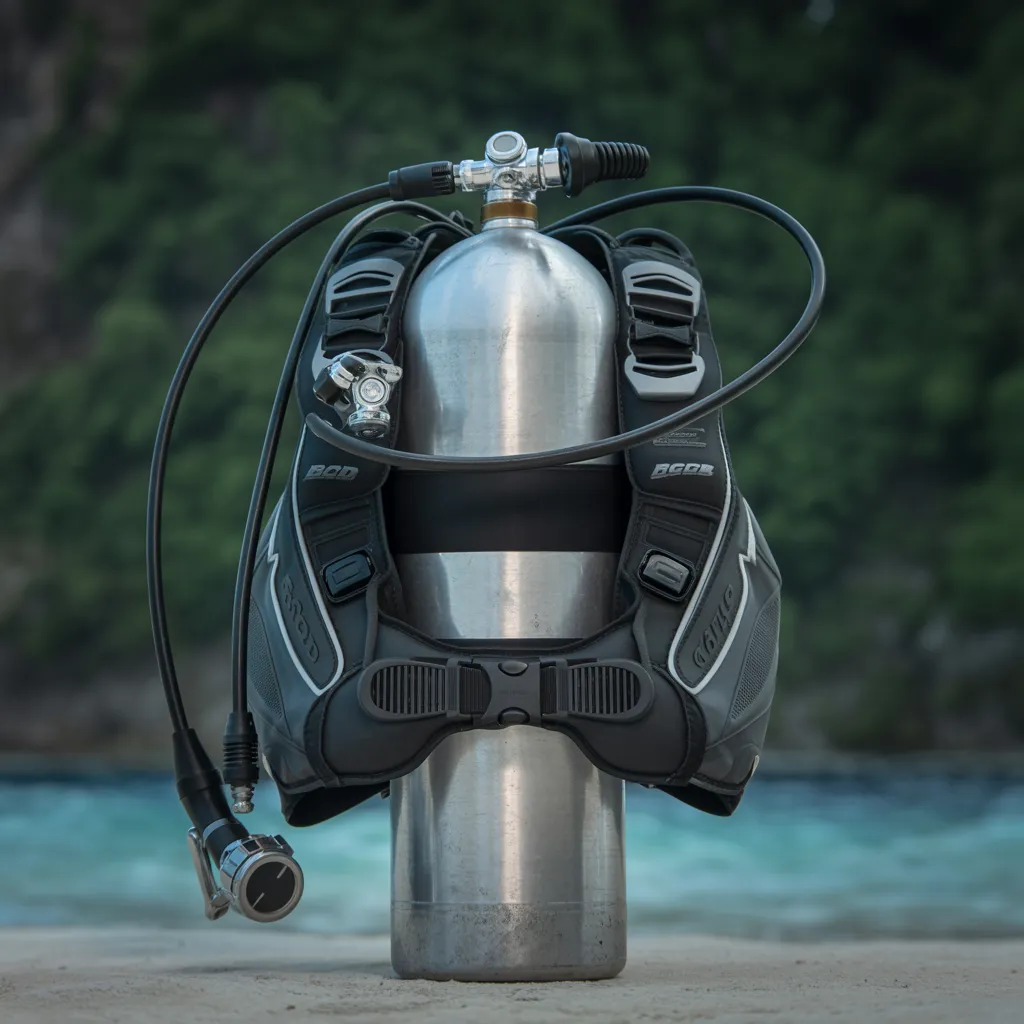
What function do Buoyancy Control Devices (BCDs) play in improving a diver's experience? BCDs are essential for maintaining neutral buoyancy, allowing divers to rise, sink, or stay at a specific depth smoothly. These devices are equipped with air bladders that can be filled or emptied, allowing divers to control their buoyancy with precision. By using a BCD, divers can preserve stamina, improve comfort, and enhance safety during dives. Proper buoyancy control also minimizes the risk of damaging fragile underwater ecosystems. Moreover, BCDs often feature built-in weights, pockets for storing accessories, and attachment points for essential gear. In summary, BCDs substantially improve the overall enjoyment and safety of the diving experience, making them indispensable for both beginner and advanced divers.
More Accessories for Diving Enthusiasts
An experienced diver knows the importance of additional accessories that improve both safety and enjoyment underwater. Essential items such as a dive knife offer a means of protection and a tool for emergencies, while a surface marker buoy (SMB) increases visibility during ascents. A dive computer is vital for tracking depth and time, helping divers evade decompression sickness. A waterproof flashlight is invaluable for brightening dark areas and signaling to dive partners. Divers should also consider a wetsuit or drysuit for thermal protection, and a quality pair of fins to increase mobility. Carrying a mesh bag for gear organization and a first aid kit ensures preparedness for minor injuries. These accessories collectively support a safer and more enjoyable diving experience.
Common Questions
What Is the Correct Way to Maintain My Scuba Gear?
To correctly maintain scuba gear, divers should rinse equipment with fresh water after each dive, frequently examine for deterioration, store equipment in a cool and dry location, and observe manufacturer recommendations for service and parts replacement.
What Actions Should I Take if My Equipment Malfunctions Underwater?
If gear fails underwater, the diver should remain calm, examine the situation, and endeavor to handle the issue. If not fixed, they should indicate need for assistance and ascend gradually, adhering to safety protocols to secure their safety.
Should You Insure Your Scuba Gear?
Protecting scuba gear is a wise decision, as it protects against loss, theft, or damage. Divers often face substantial financial investment in equipment, making insurance a smart choice for protecting their gear during underwater adventures.
Should I Rent or Buy Scuba Gear?
Hiring scuba gear is a feasible option for numerous divers, especially novices or those diving infrequently. It provides versatility and economic value, though individual ownership may offer reassurance and assurance of gear quality and fit.
Which Scuba Gear Brands Are Most Recommended?
Top brands for scuba equipment include Scubapro, Aqua Lung, Mares, and Cressi. Each offers a variety of high-quality gear, catering to divers' differing needs, experience levels, and preferences for dependability and performance underwater.